Our Impact

Since its founding in 2017, STAM has implemented literacy programs, humanitarian outreach initiatives, and advocacy efforts across several Nigerian states.

Key Achievements

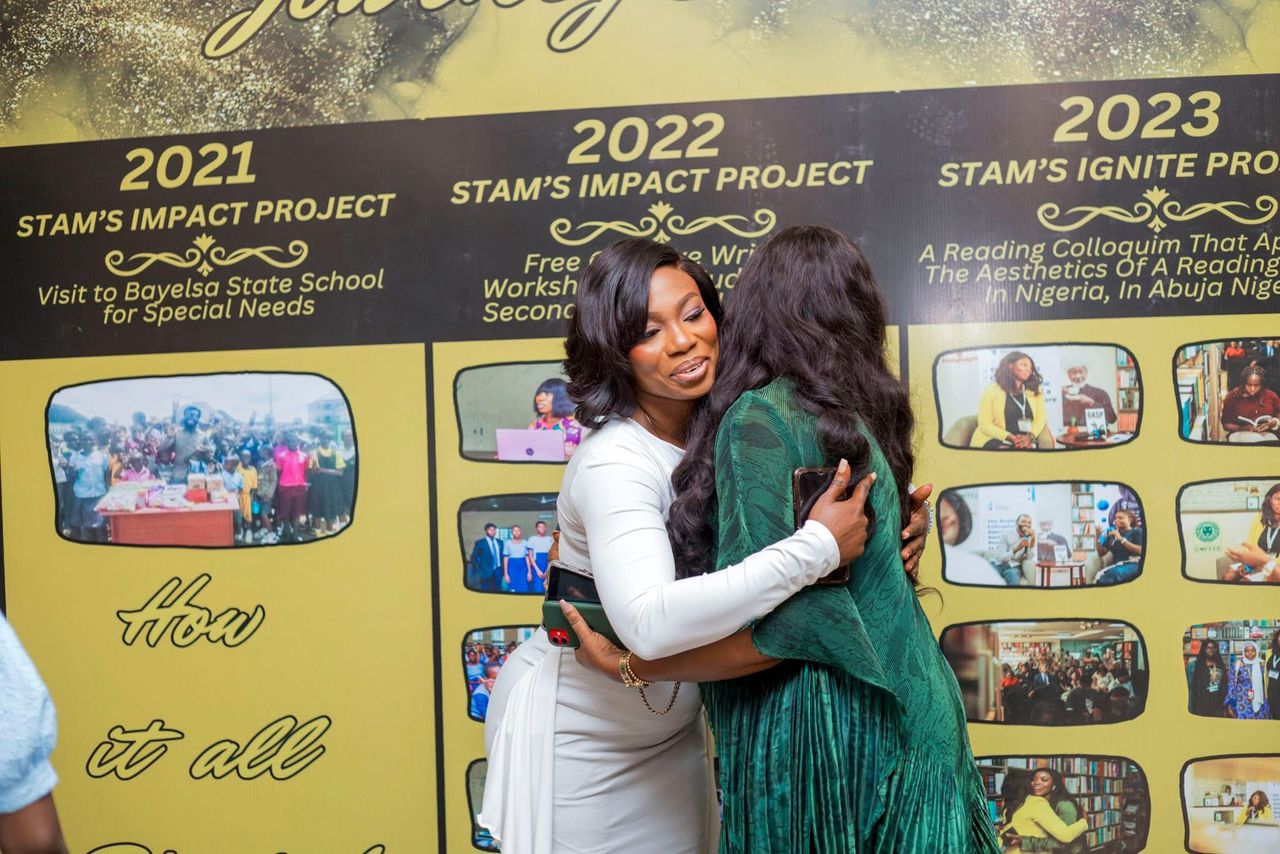
2021 – Care Project

A Humanitarian Outreach

Distribution of food and clothing to orphaned children at Gloryland Homes for Orphans.

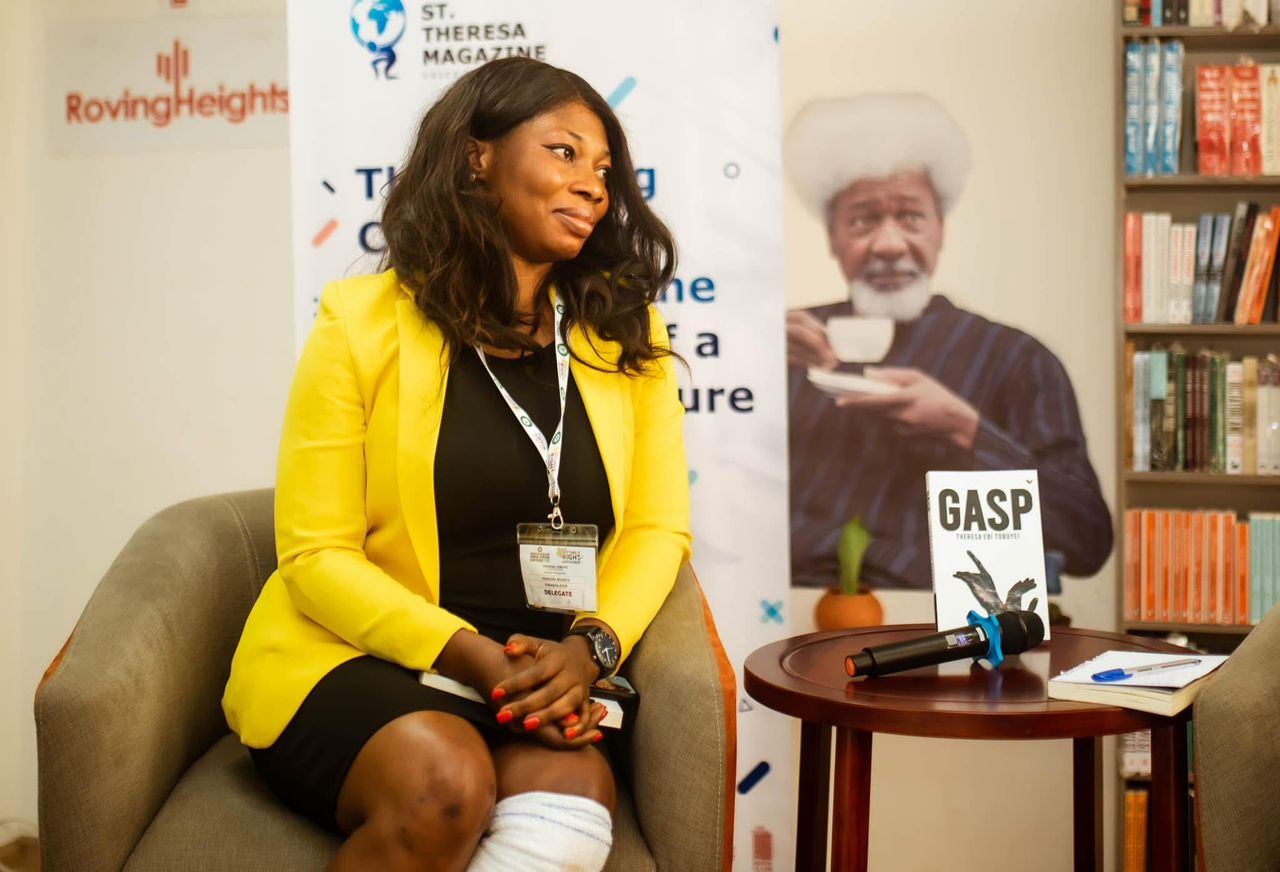
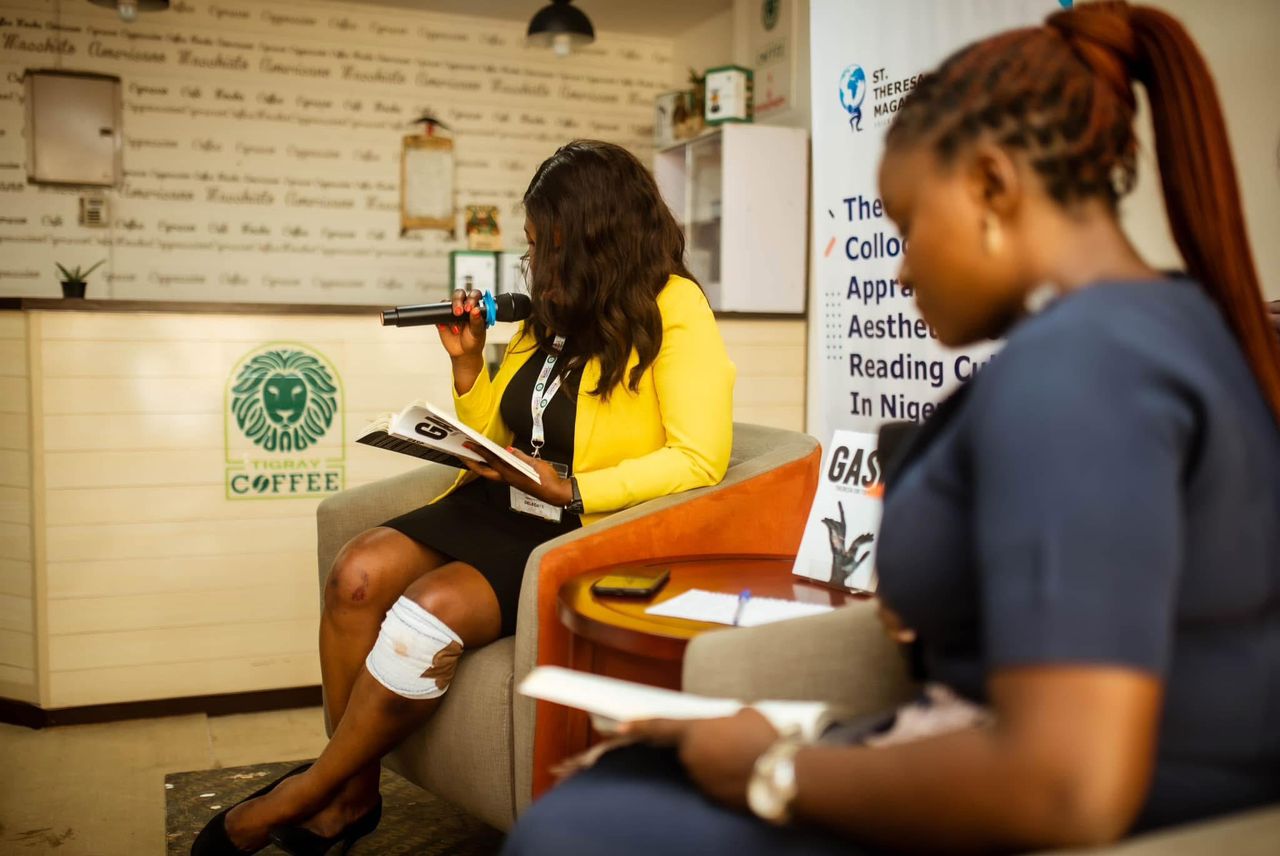
Publication and distribution of GASP, a novel raising awareness about trauma and PTSD.

2022 – Impact Project

Flood Relief & Education Advocacy

Humanitarian relief support to victims of the Bayelsa flood disaster.

Partnership with the Presidential Amnesty Programme to promote trauma-informed dialogue with the book GASP at the book read in BookVille World Portharcourt.

2023 – Ignite Project

Literacy & Youth Empowerment

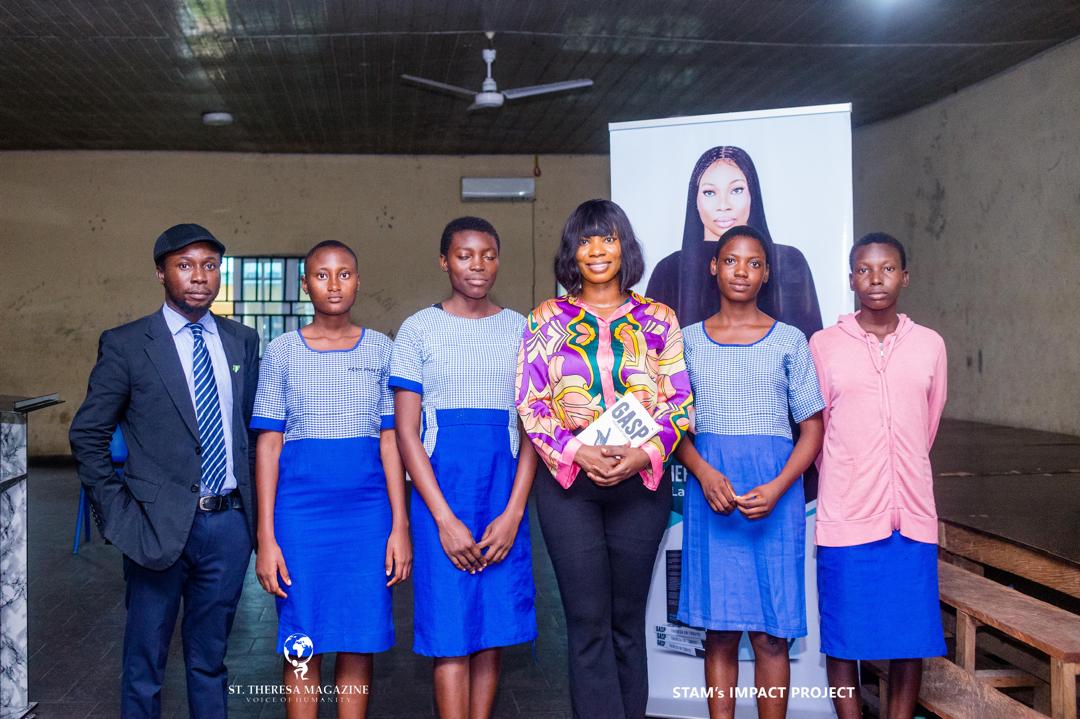
Creative Writing Workshop at St. Jude’s Girls Secondary School, Yenagoa.

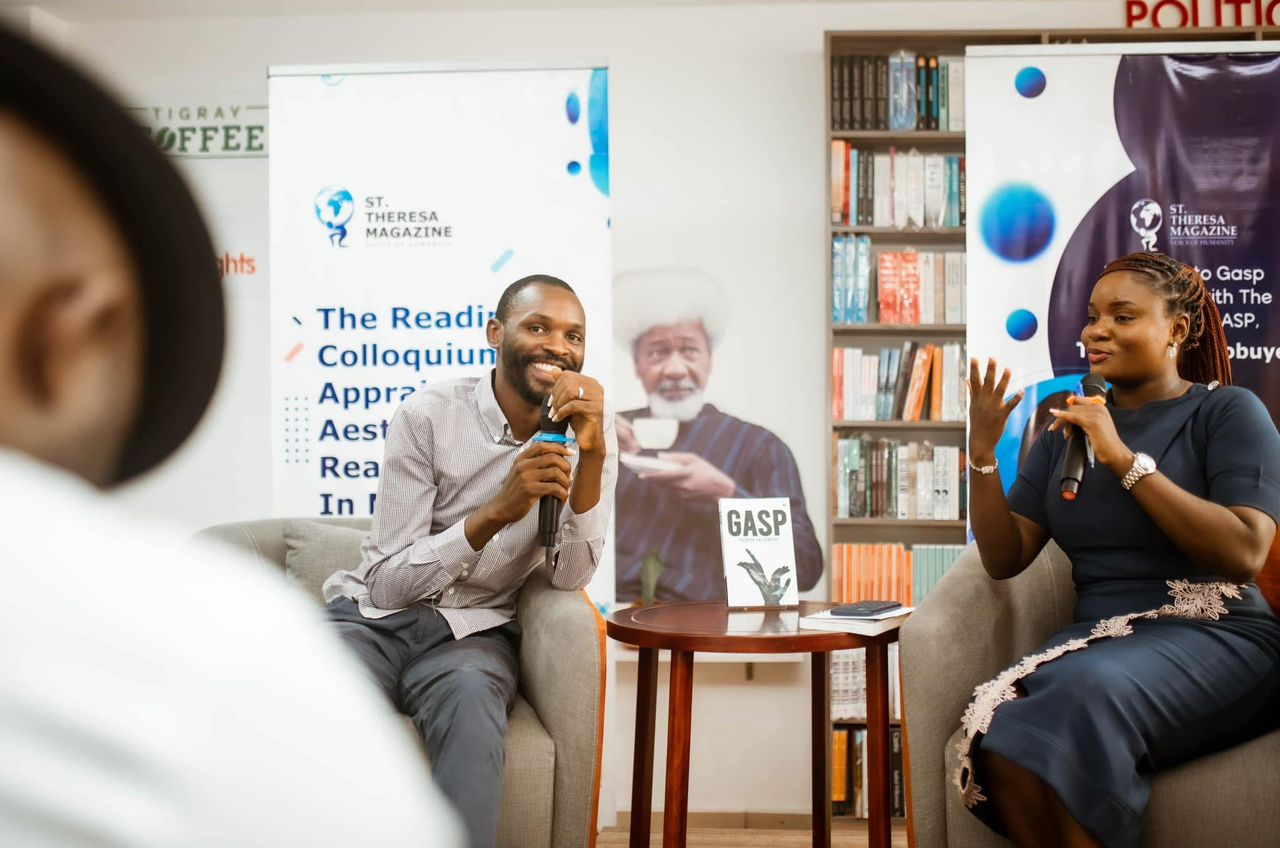
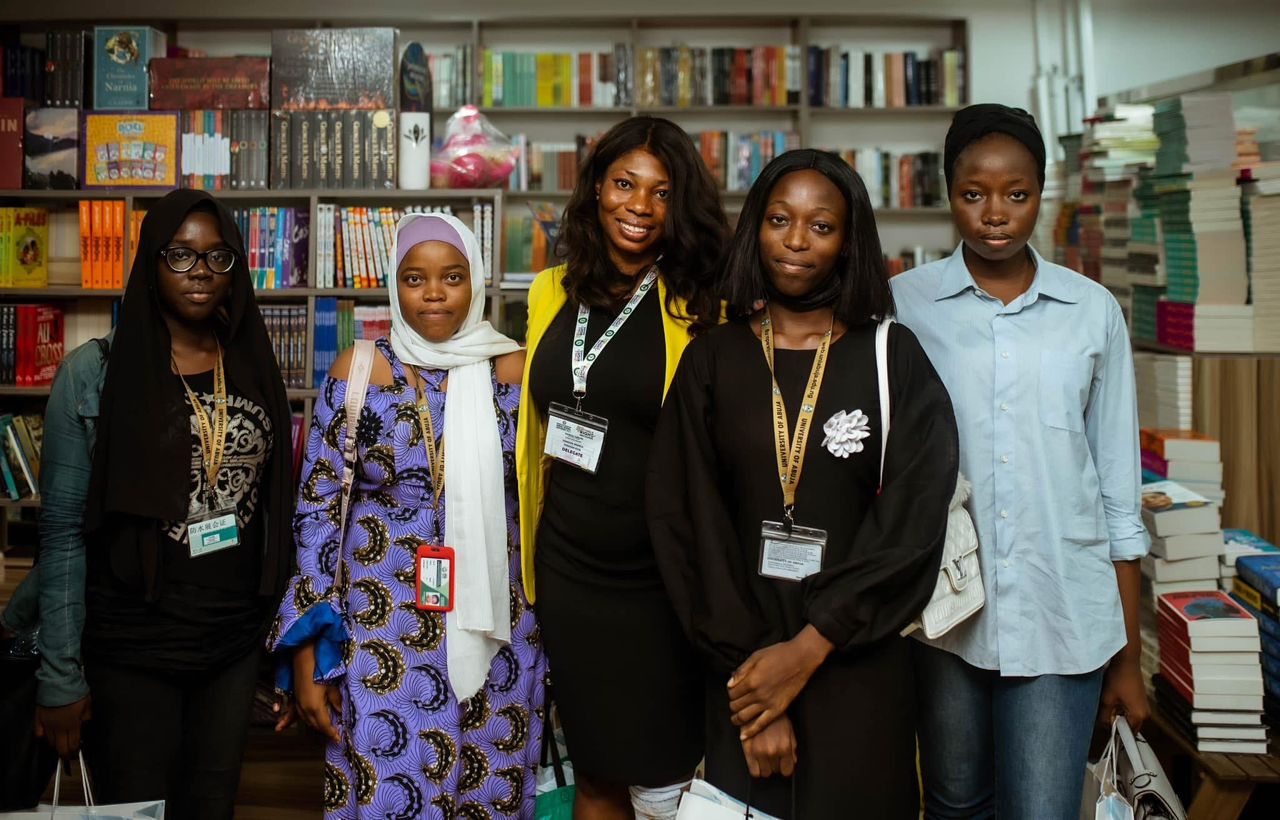
Reading Colloquium held at Roving Heights Bookstore, Abuja in partnership with COAL, CENTURY ENERGY, GLORYLAND BOOK CLUB, 1402 BOOK CLUB

2024 – Embrace Project

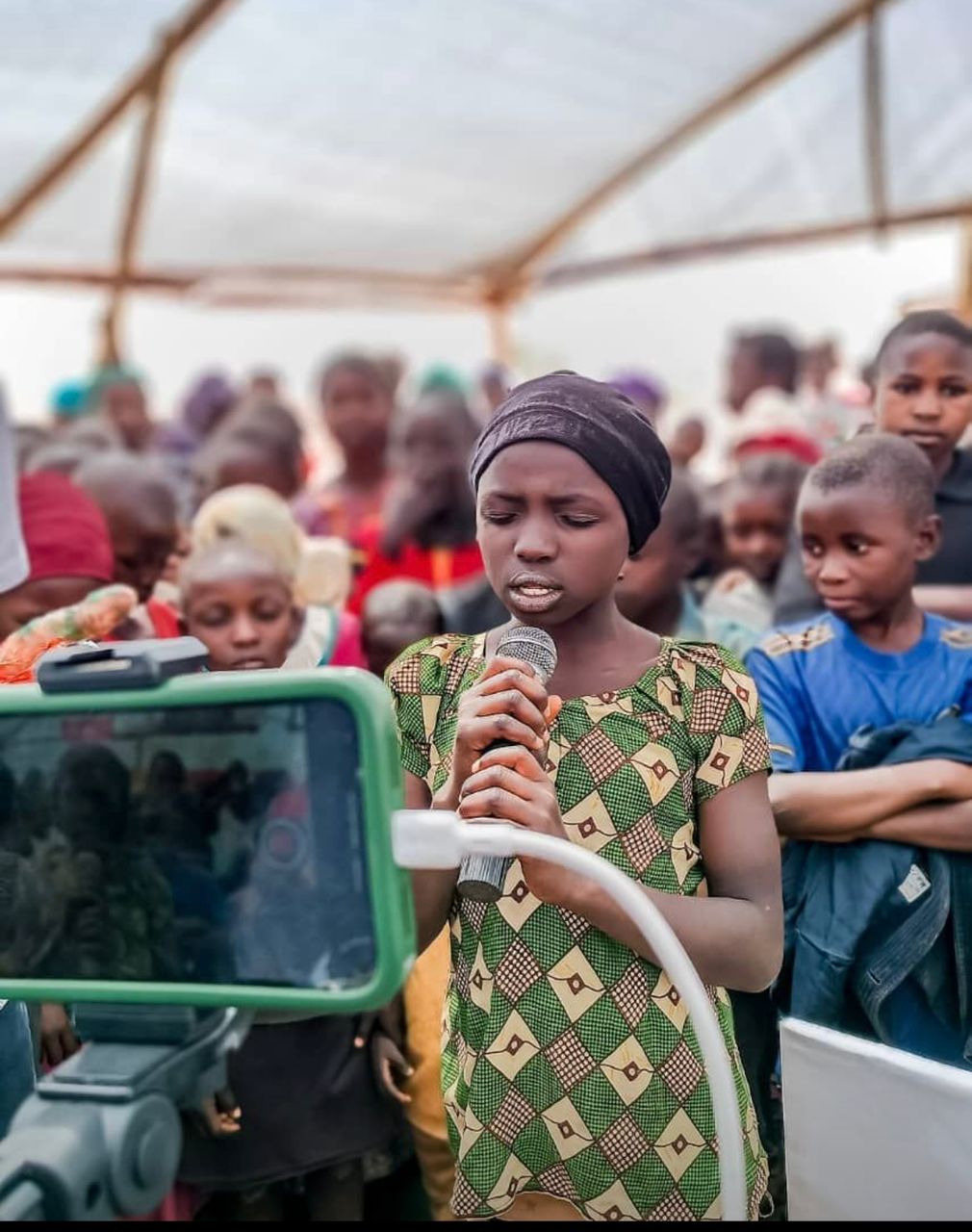
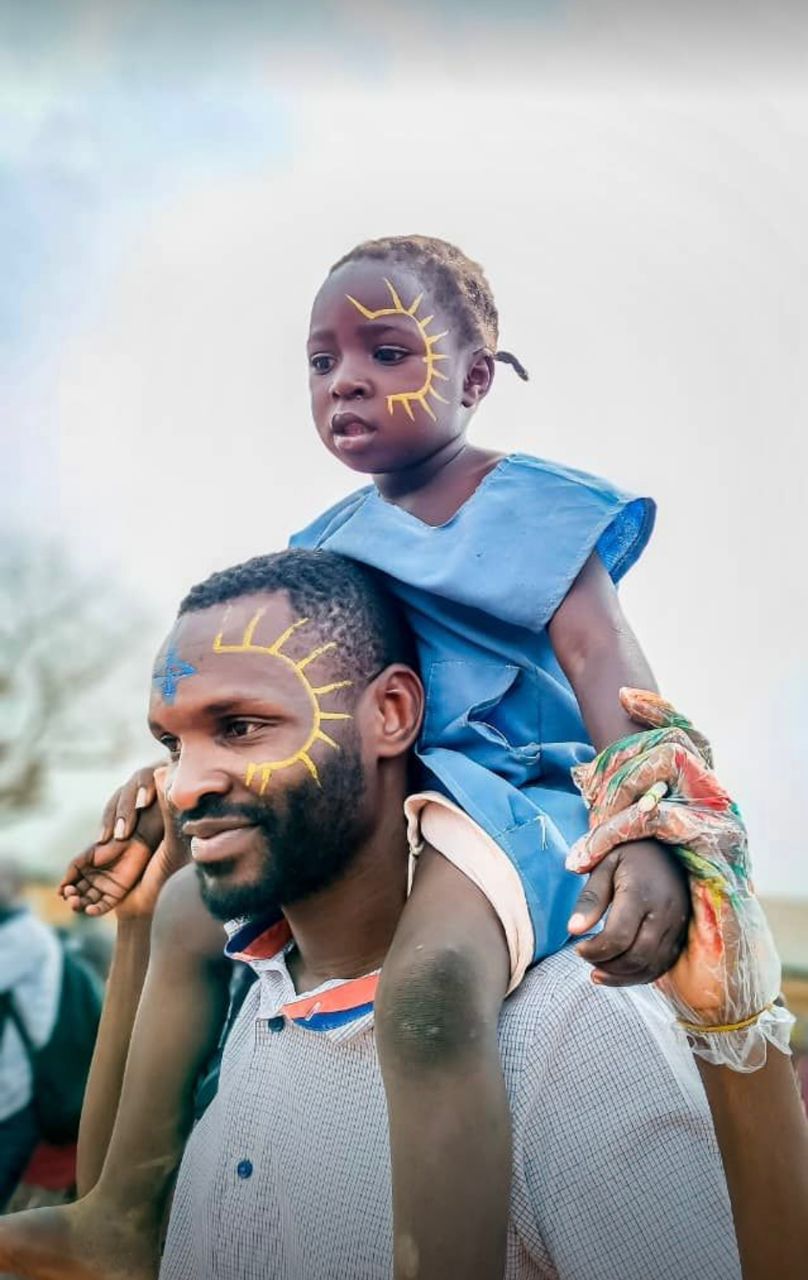
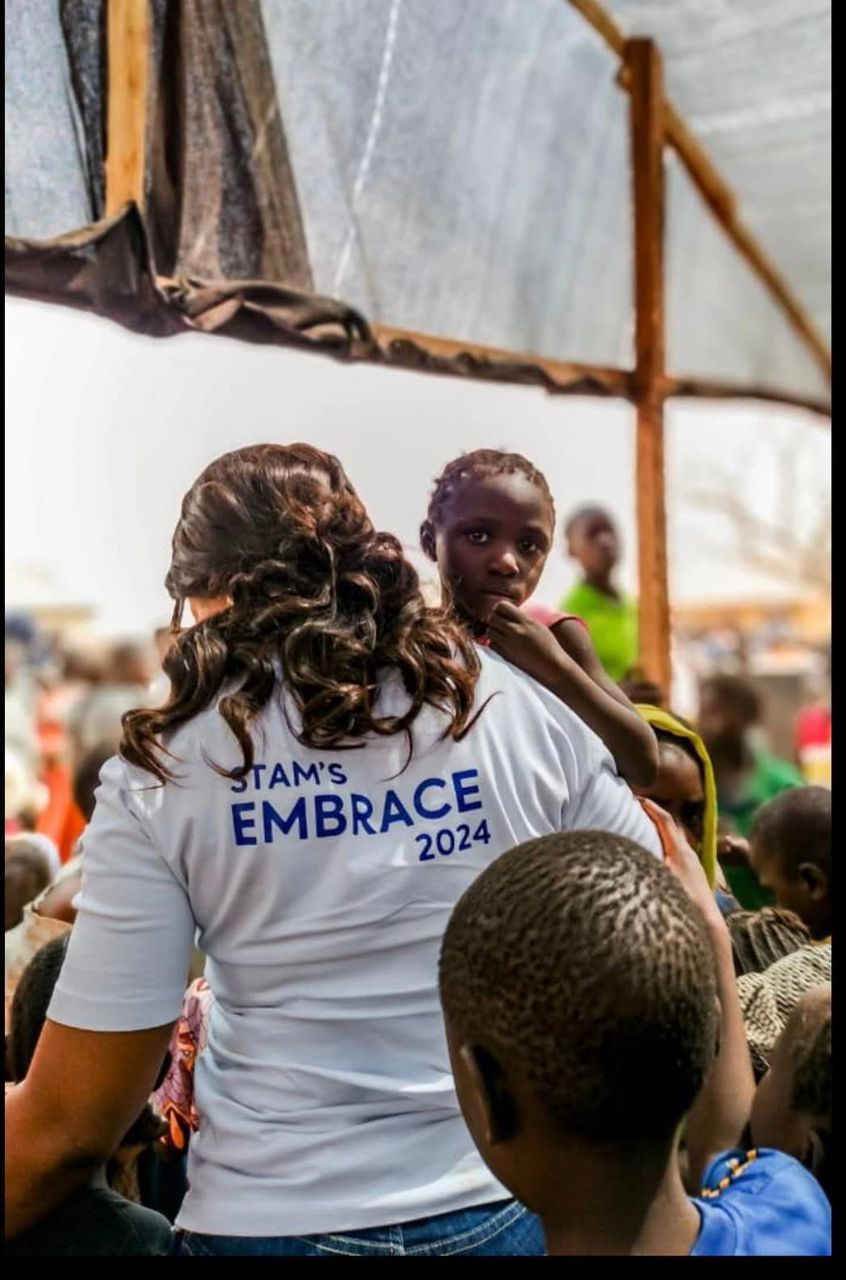
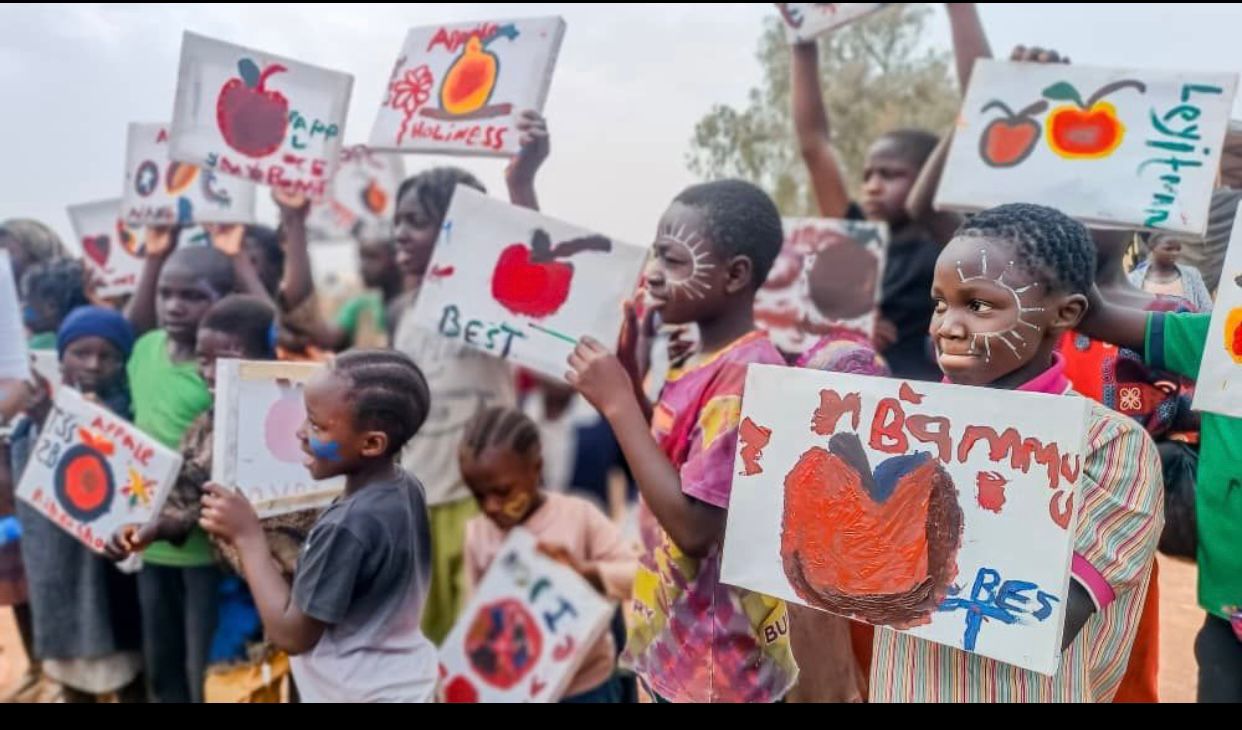
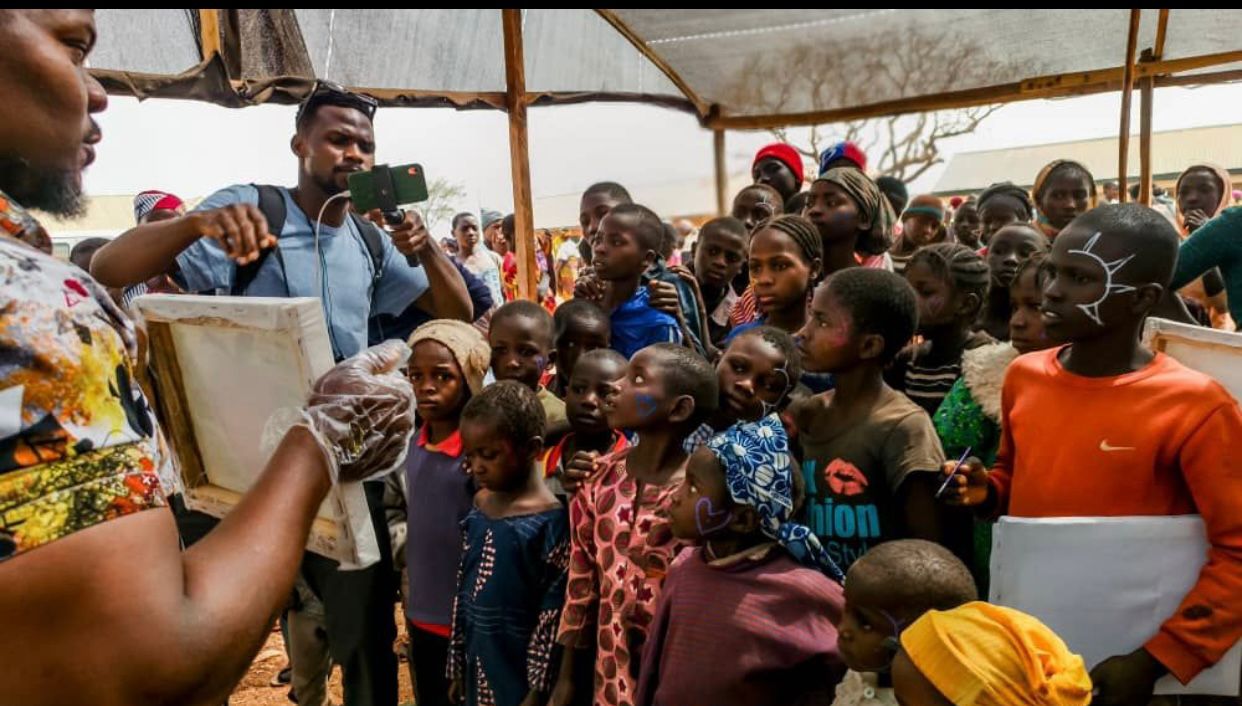
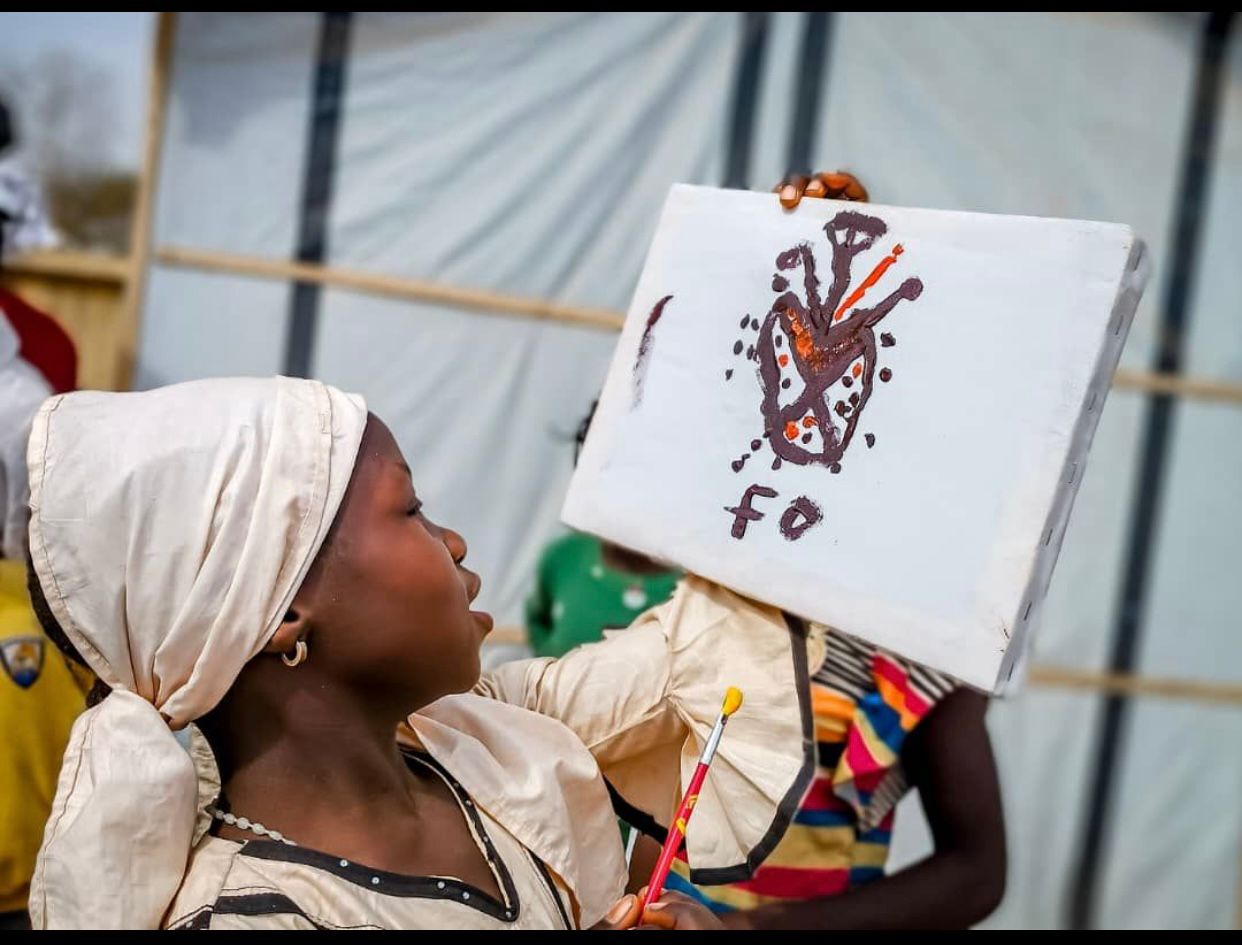
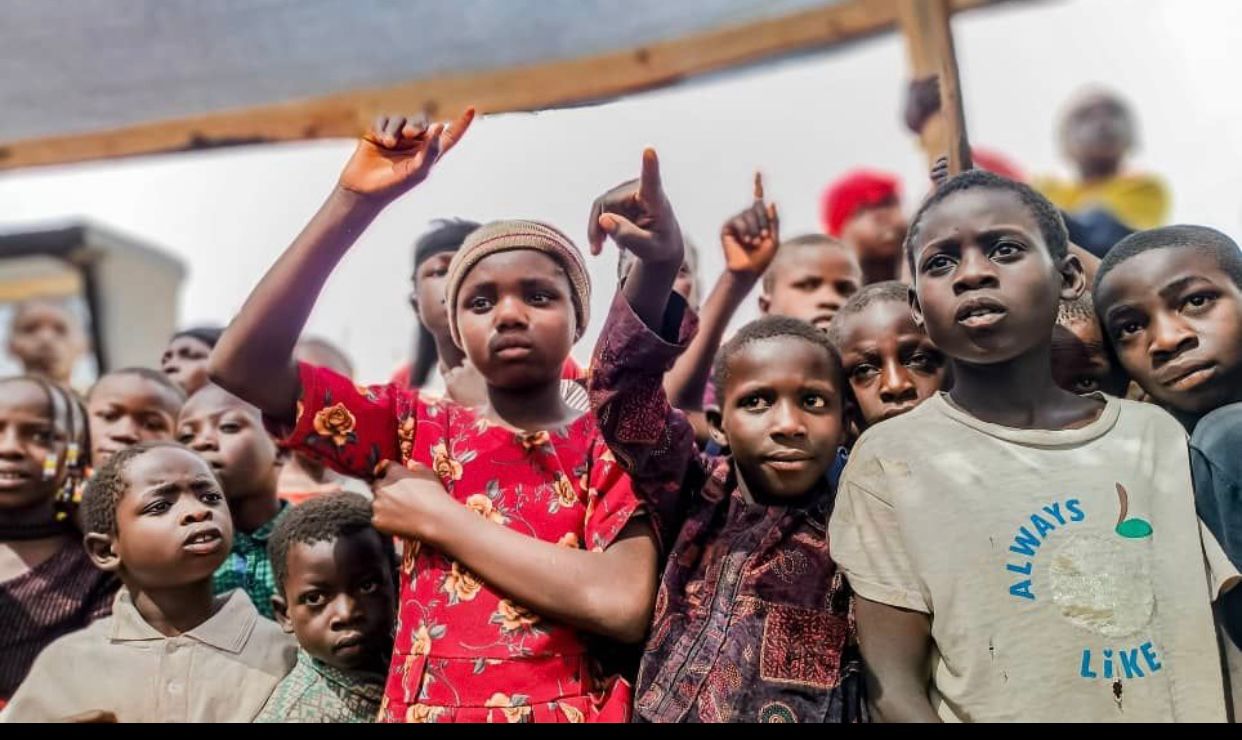
  • Psychosocial outreach activities for displaced children, organised an eat and paint party for displaced children in Mangu Community in Plateau State.
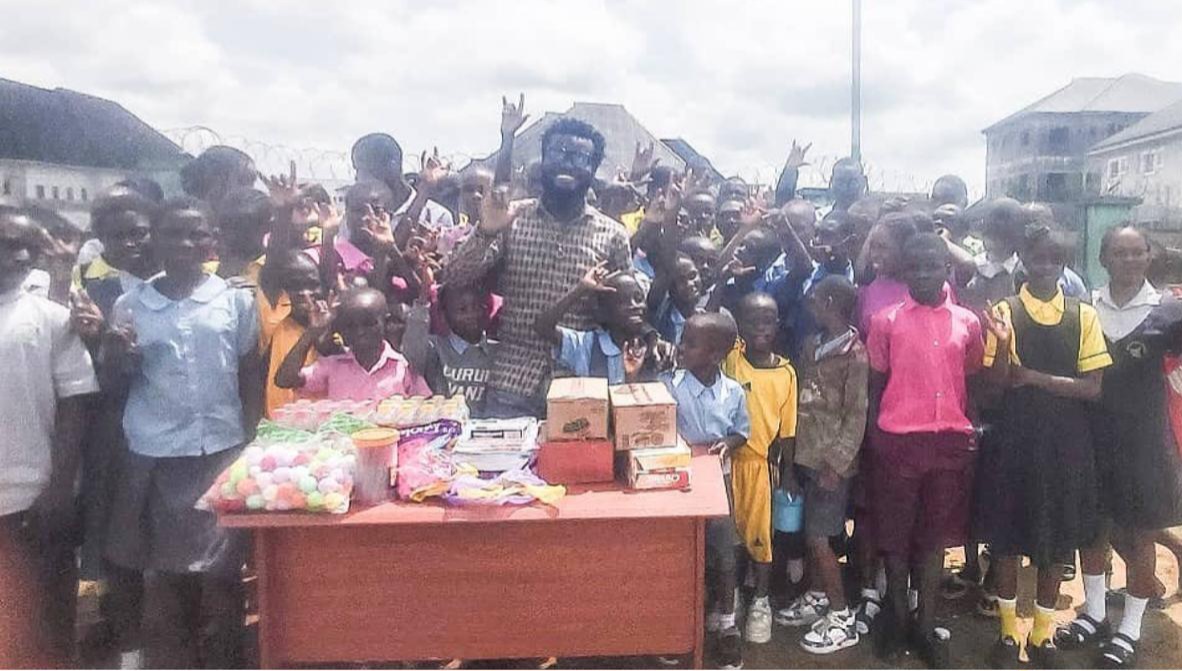
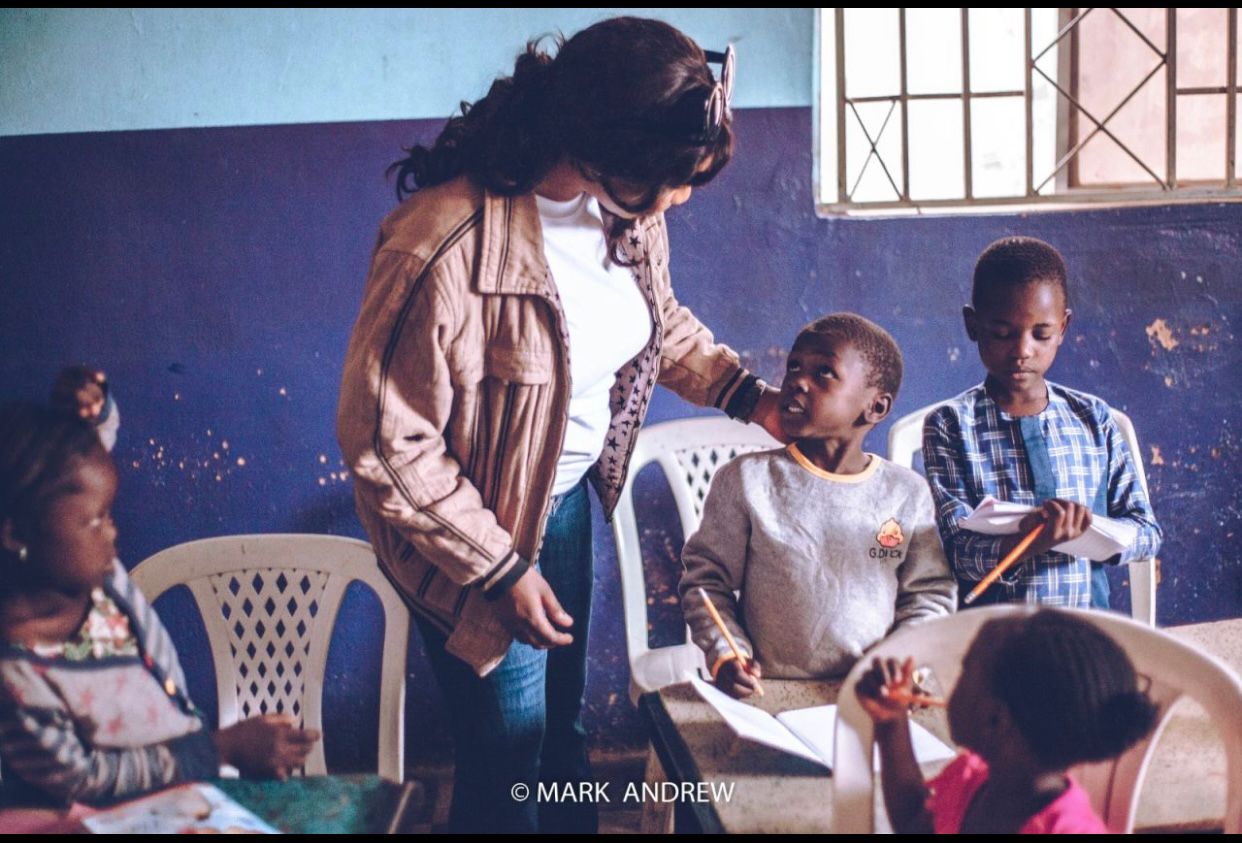
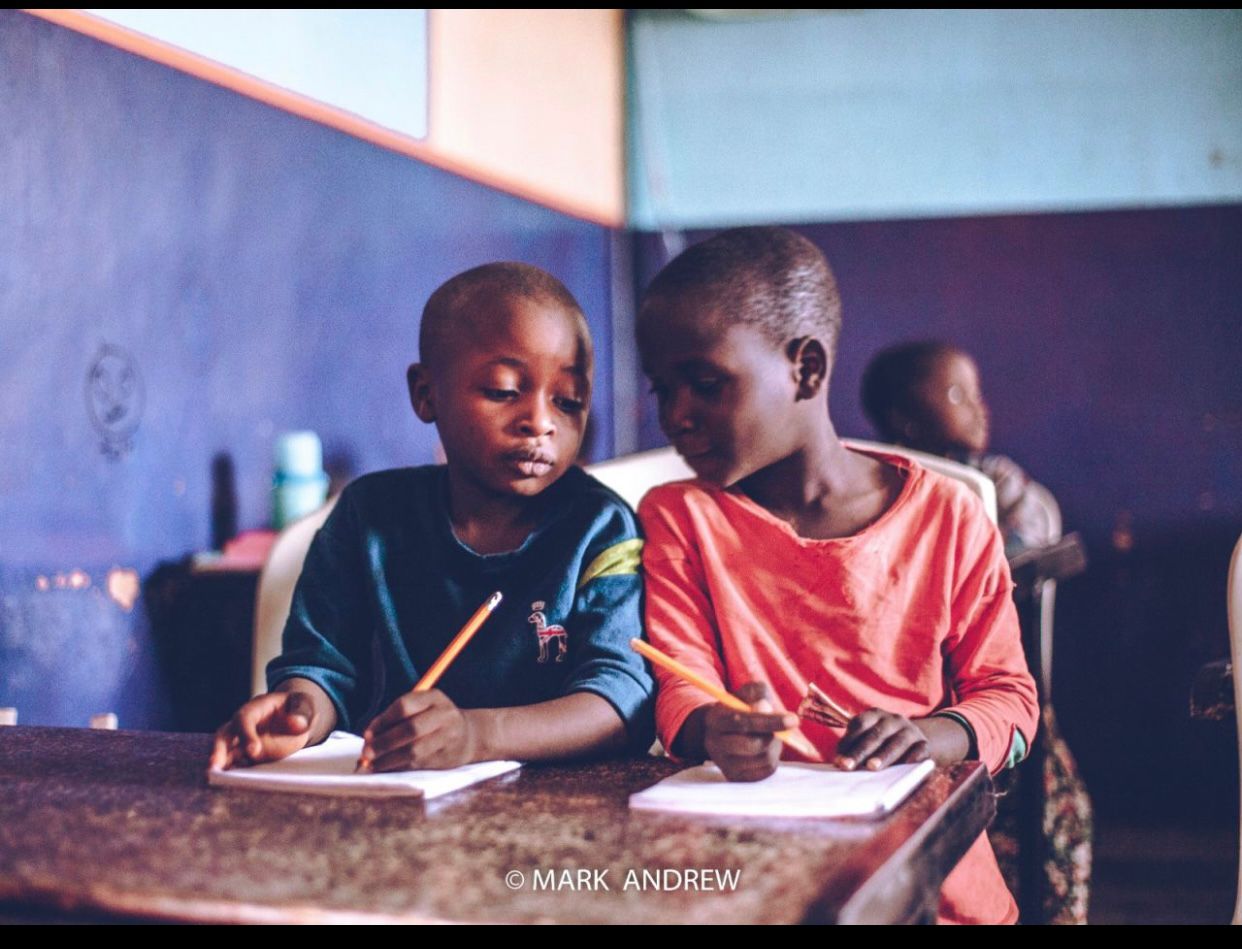
  • Visitation to and presentation of gifts to out of school children at the Pilot Science School, Jenta in Jos plateau State
  • Support initiatives for children with special needs in Bayelsa State, at the Bayelsa State School for Children with Special Needs in OPOLO, Bayelsa State.

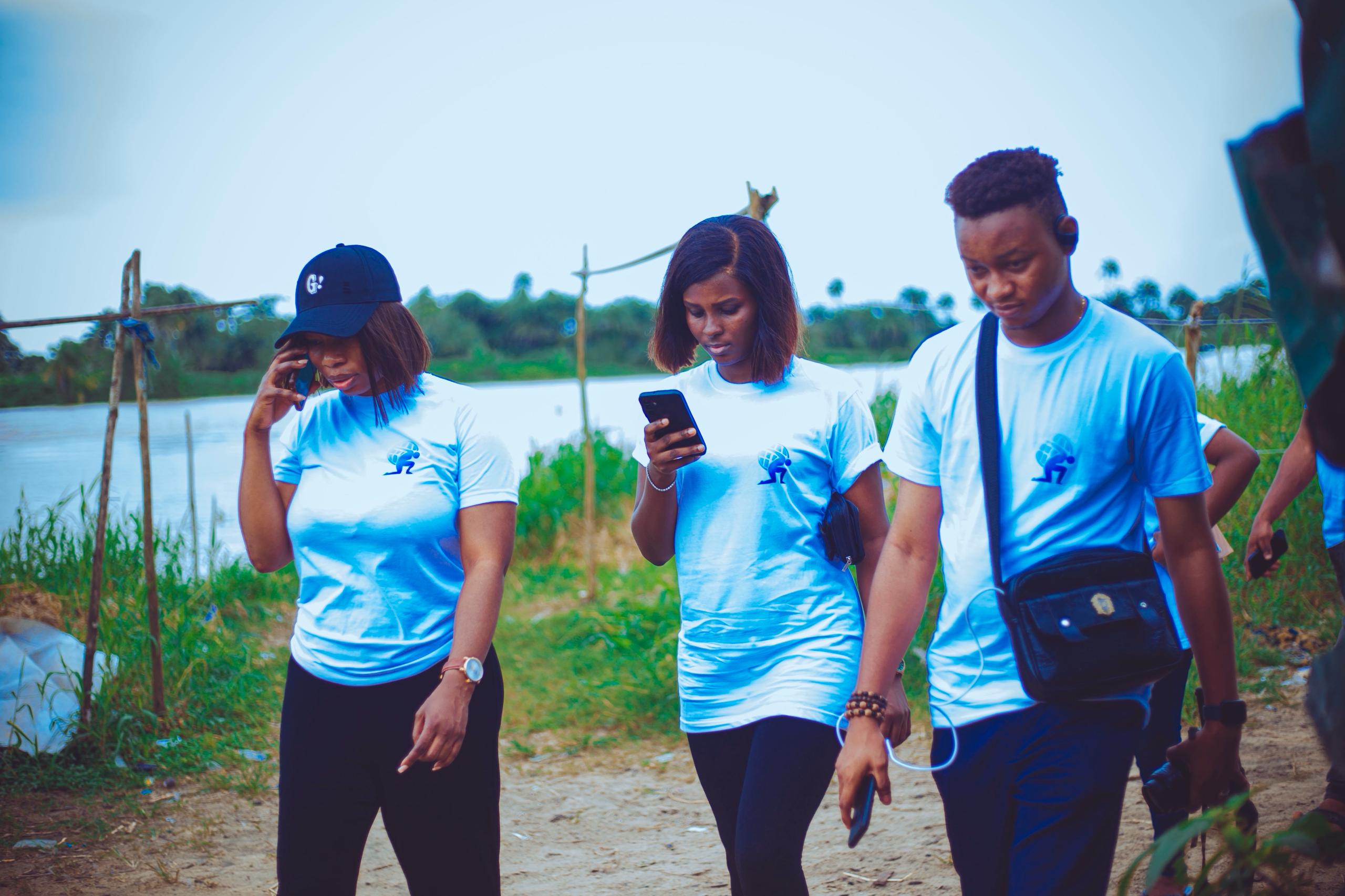
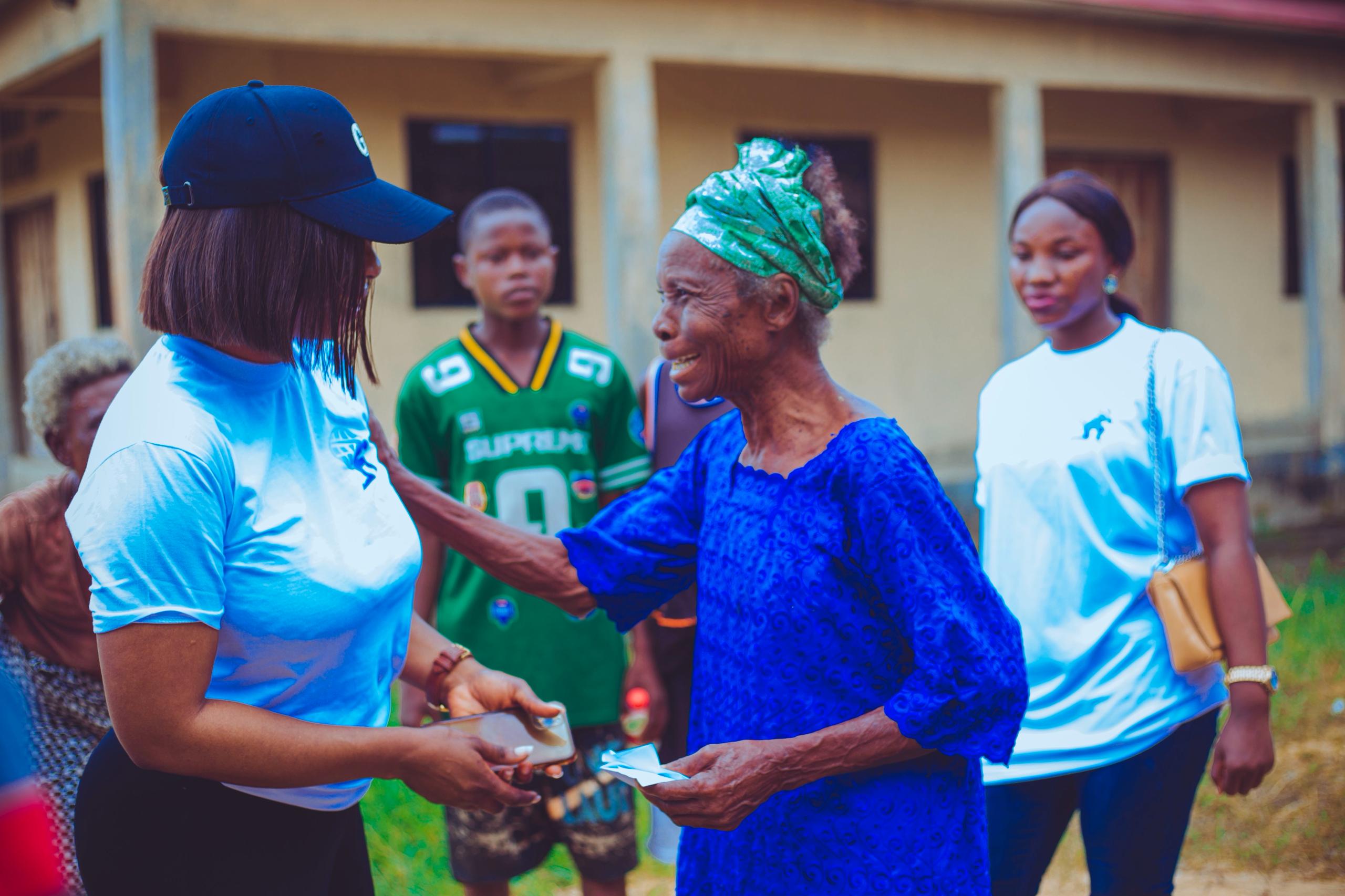
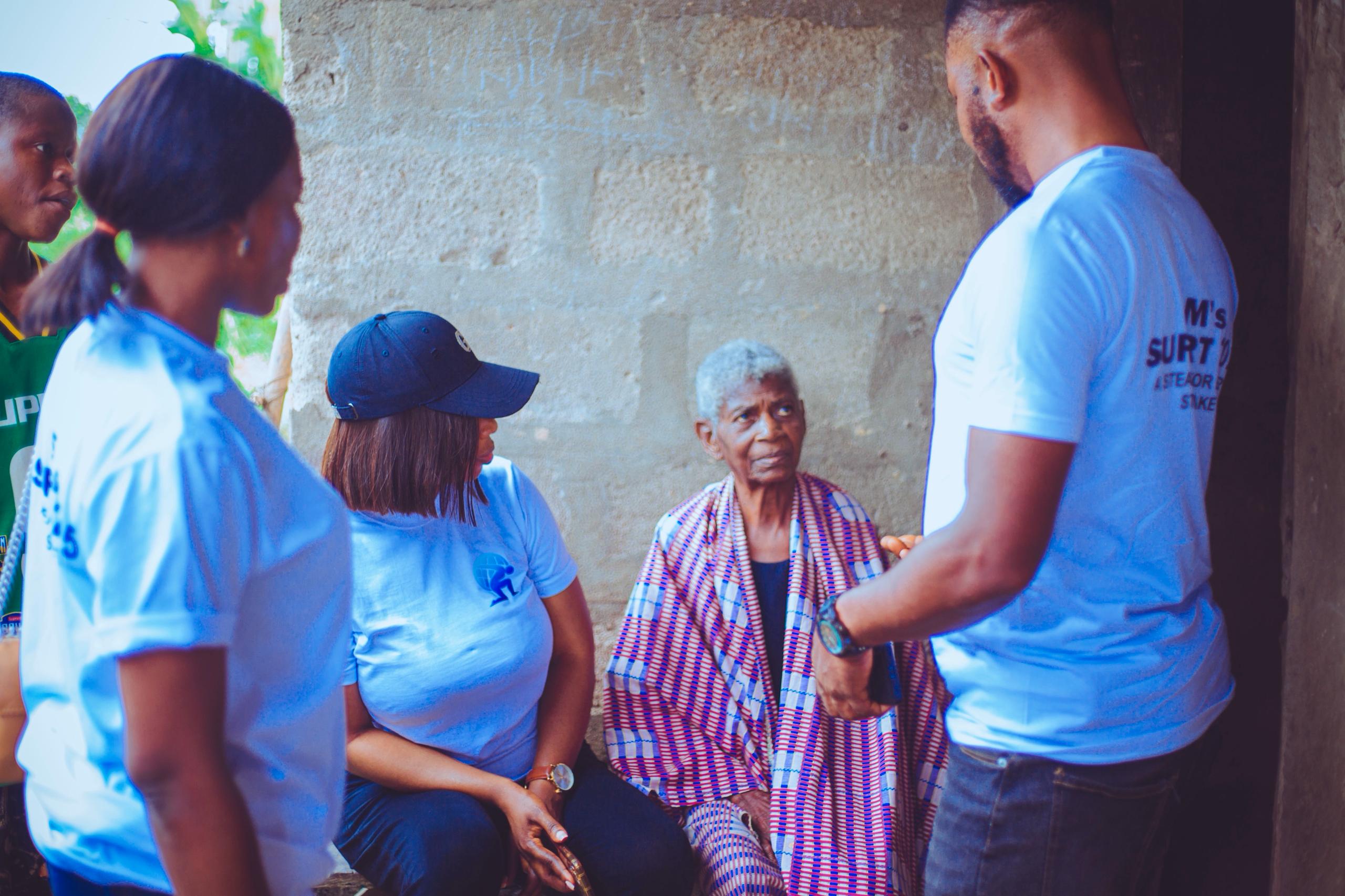
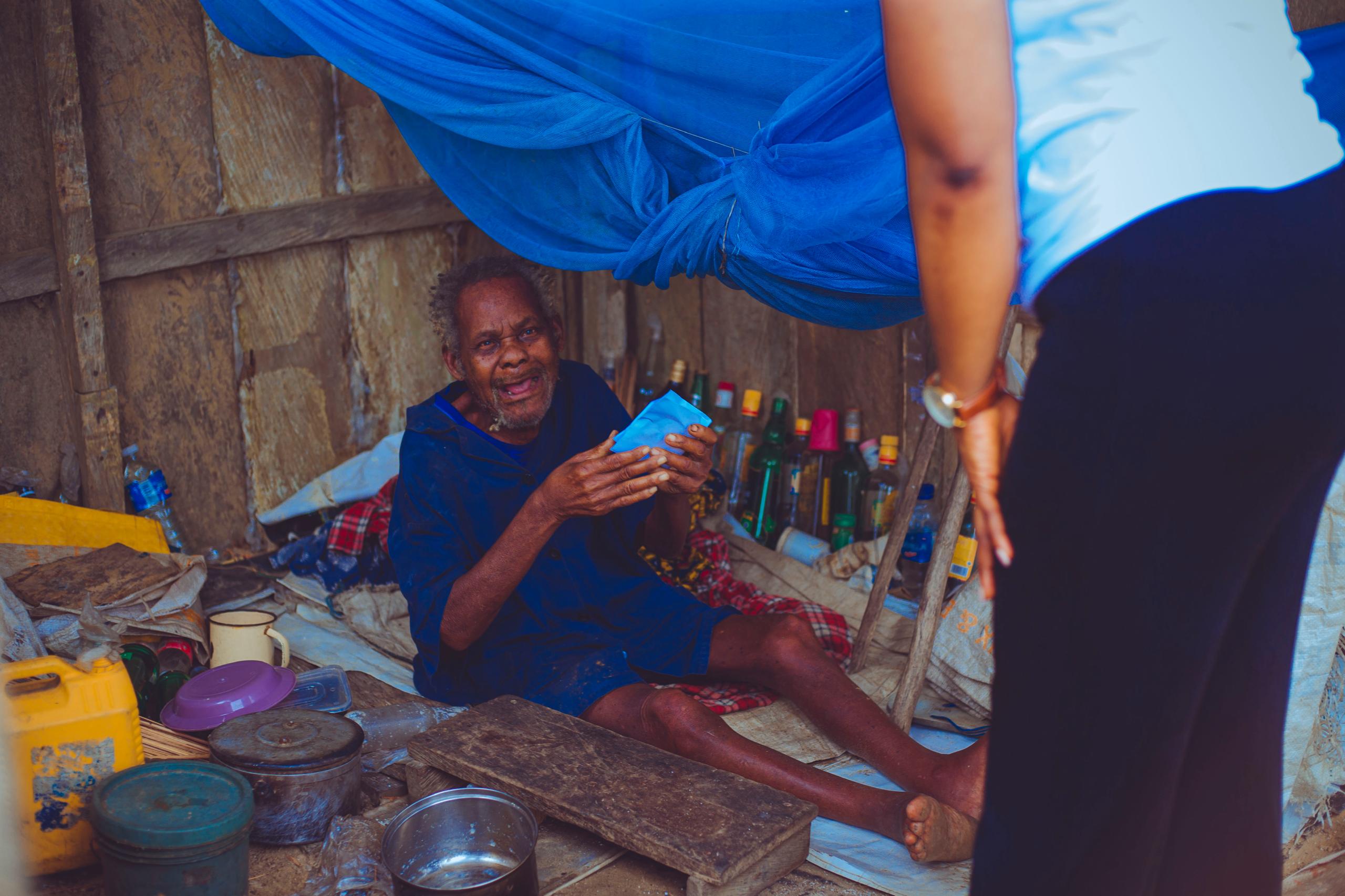
2025 – Support Project

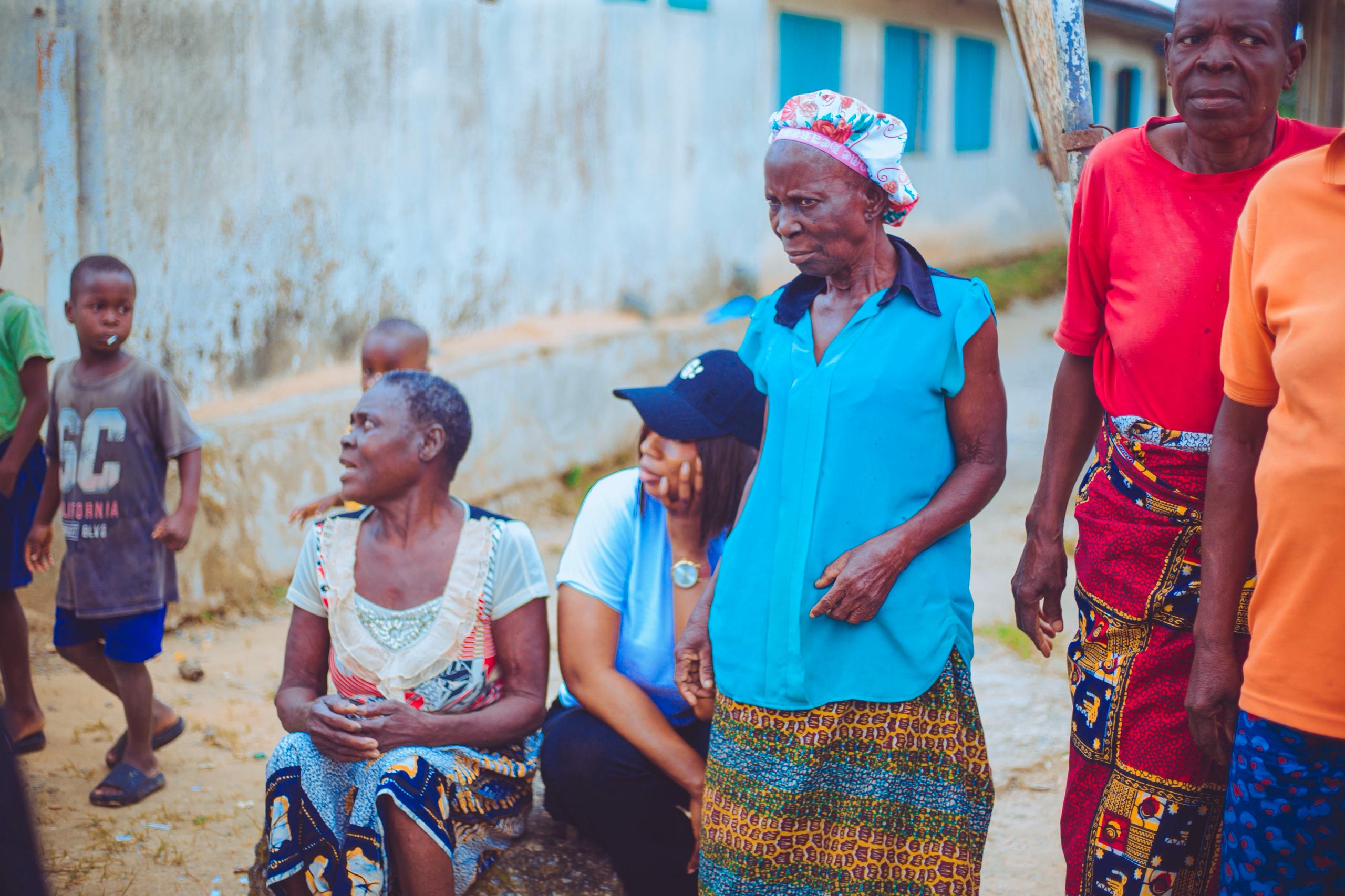
  • Visitation to EKEREMOR community and presentation of gifts items to the elderly to appreciate them for their efforts towards literacy and creativity by exposing their children to education and creativity.
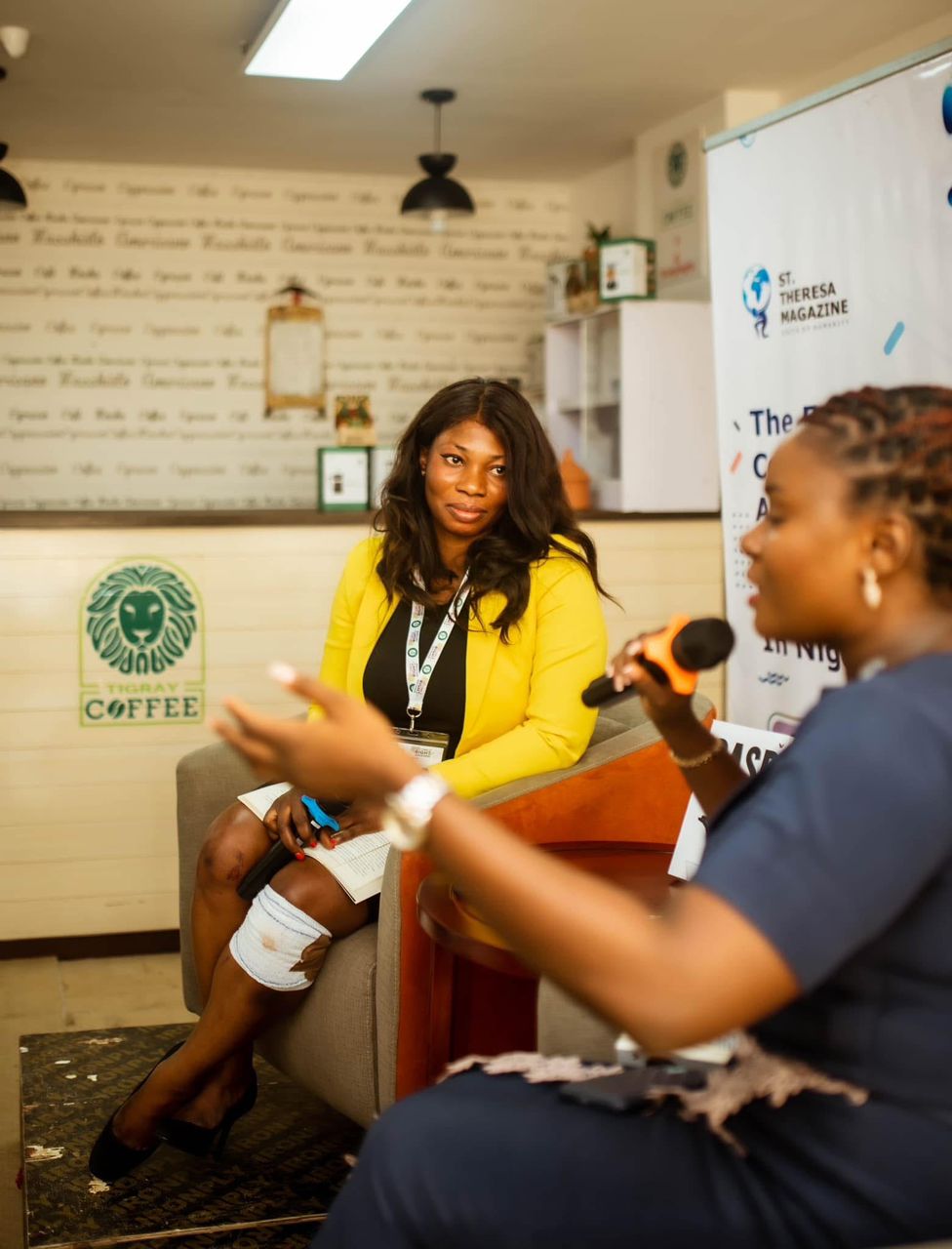
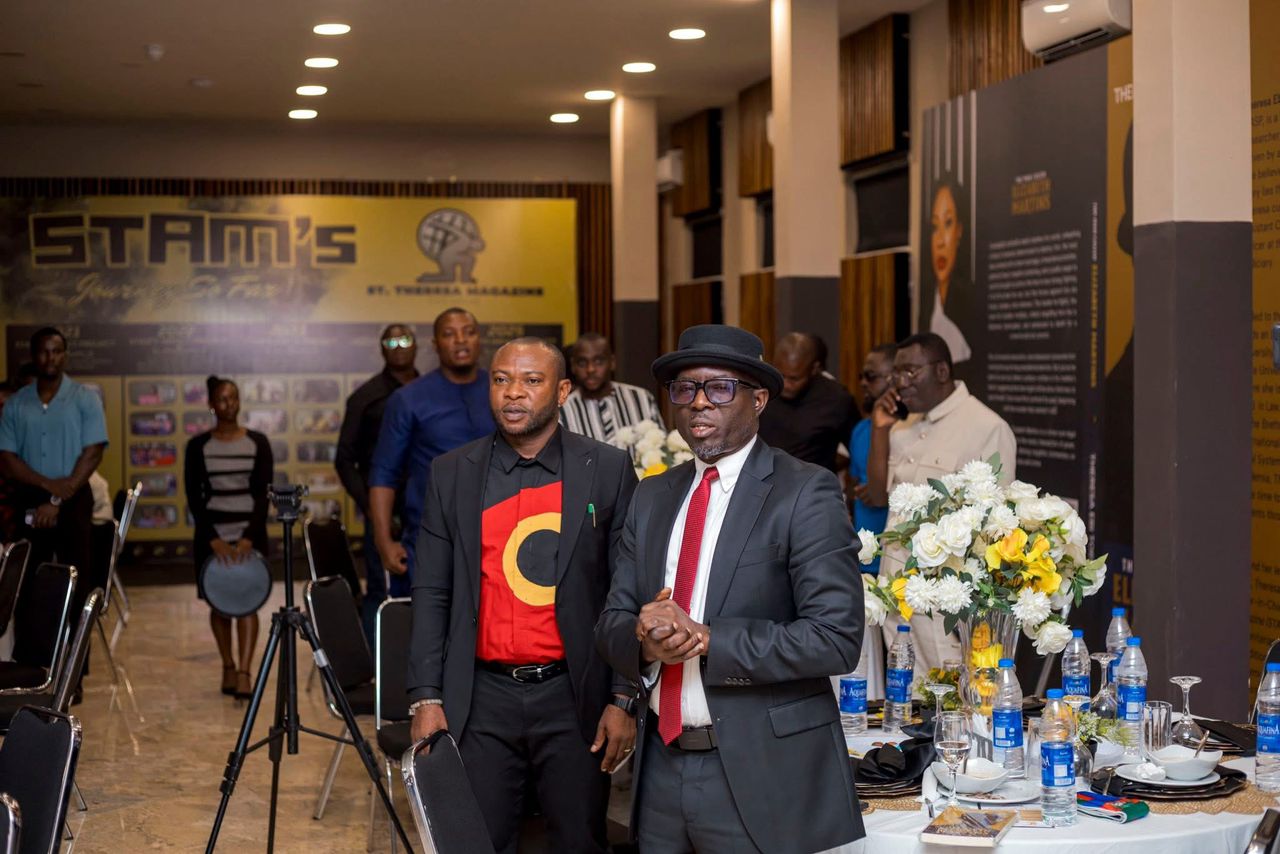
  • Soirée/Public engagement through The Man Called Elizabeth Martins to promote reading and stimulate dialogue on justice and social responsibility.

How We Create Impact

Our Theory of Change

STAM believes that literacy, creativity, and dialogue are powerful tools for social transformation.

Many communities affected by conflict or economic disadvantage experience weakened education systems, limited access to books, and reduced opportunities for creative expression.

Our approach addresses this challenge through a structured pathway:

  • Expanding Access to Literacy:
    Book distribution, reading advocacy, and literacy programs improve access to educational resources.
  • Strengthening Creative Capacity: 
    Creative writing workshops and storytelling initiatives build imagination, communication skills, and confidence.
  • Promoting Psychosocial Awareness: 
    Trauma-informed engagement helps young people express experiences constructively.
  • Encouraging Dialogue:
    Community activities foster understanding and peaceful engagement.
  • Building Resilient Communities:
    Literacy and creative empowerment strengthen civic participation and social cohesion.

Shopping Basket